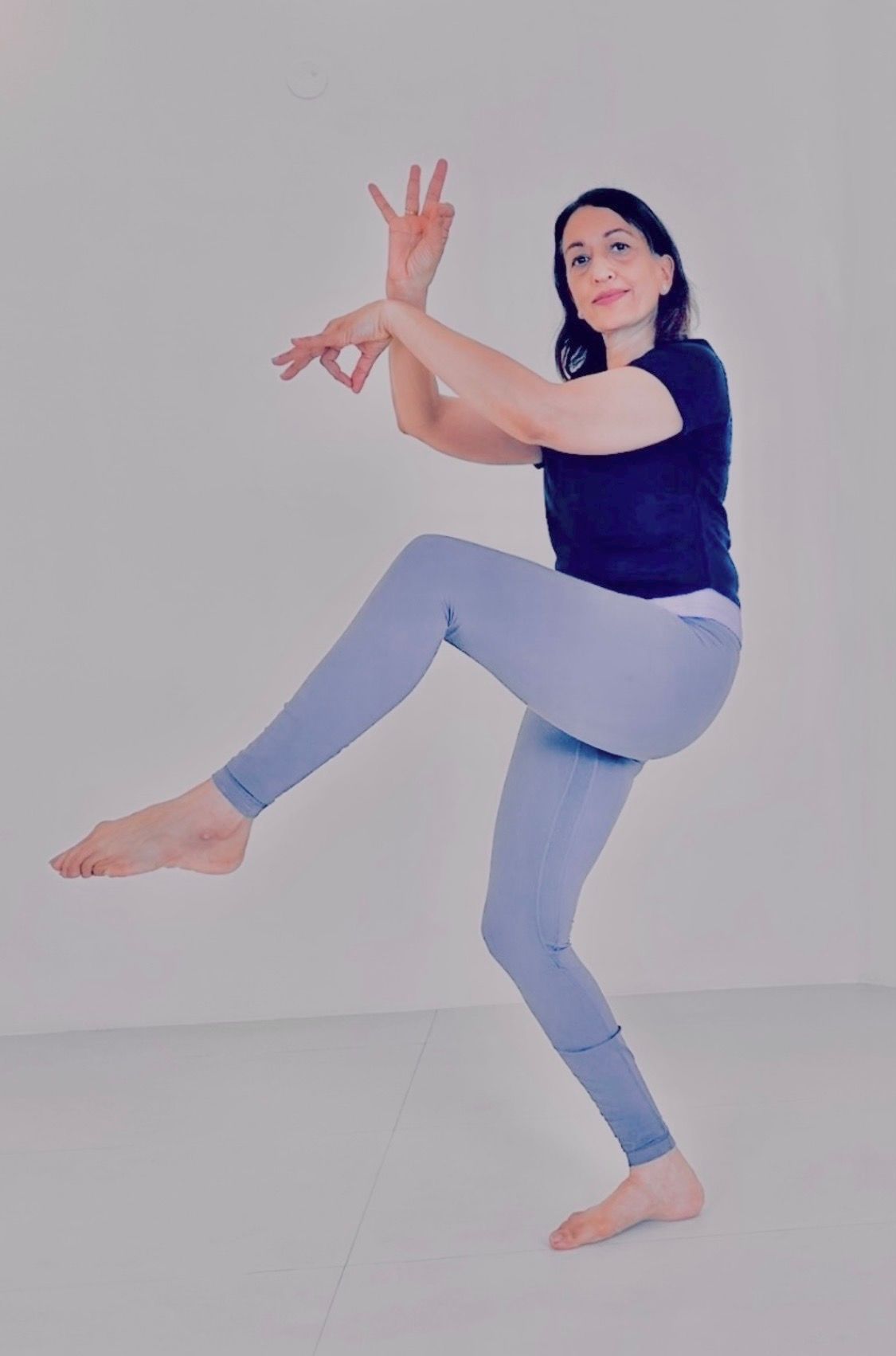
Yoga Centres in Sushant Lok Phase 1
It’s a commonly shared perception that feelings of restlessness, confusion, and a strange sense of having everything yet feeling incomplete, lurk around our awareness almost constantly.
To some extent this feeling is a byproduct of the hustle culture and the chaotic lives we are leading now, but it certainly isn’t a new phenomenon because across centuries, this inner friction has always existed, even as civilizations evolved.
Long before wellness trends, fitness studios, or mindfulness apps existed, the eternal human questions echoed: ‘Who am I’? ‘Where did I come from and where do I go after my body perishes’?
Yoga philosophy gives us many deep insights. Try enrolling in a Yoga Studio where classes are structured to include Pranayama and Meditation, in addition to the physical postures and vinyasas. If you are in my vicinity and looking to enrol in a Yoga Centres in Sushant Lok Phase 1 for holistic wellness, join my ‘Yoga With Sapna’ studio.
Who is Adiyogi
During archaic times, many thought provoking insights were given to us by Adiyogi, the primordial yogi, the very source of yogic science.
Adiyogi literally means the first yogi. In yogic lore, Adiyogi is Shiva, who is not just a deity to be worshipped, but a master of inner sciences. After attaining a profound state of awareness on Mount Kailash, Adiyogi remained absorbed in stillness. He practiced this meditative stillness through the ages. This silence wasn’t born out of withdrawal, but a stillness so complete that it represented a state where time had no impact. His silence was not meaningless, rather a state of complete inner absorption, from which the science of yoga was born.
Over fifteen thousand years ago, when Shiva sat meditating in the high Himalayas, a stream of people kept visiting him, but eventually kept leaving because he was unaware of their presence. Shiva was fully absorbed in intense dance or complete silence. Legend has it, that there were seven sages (Saptrishis) who realised who the ‘Adiyogi’ really was and they waited for eighty four years to learn from him. They had waited for Mahadev (Shiva) with relentless dedication and ‘Adiyogi’ gauged that they were ready to receive the yogic knowledge. He started teaching them the art and science of yoga- this moment can be called the birth of yoga.
Yoga as a Science, Not a Belief
Yoga did not emerge as a religion, ritual, or philosophy it evolved as a precise, experiential, and deeply practical method. Adiyogi did not offer commandments or moral codes instead, methods were shared to explore the mechanics of the human system involving body, breath, mind, and energy.
The intention was simple yet profound- it involved creating inner alignment, so life could be experienced at its full intensity and clarity, and in this sense, yoga became a way of life rather than serving as a practice or belief.
The Seven Paths that Shaped Yoga
Adiyogi customized yogic science to different human temperaments. These teachings eventually evolved into multiple paths, each addressing a distinct way of engaging with life, and they include.
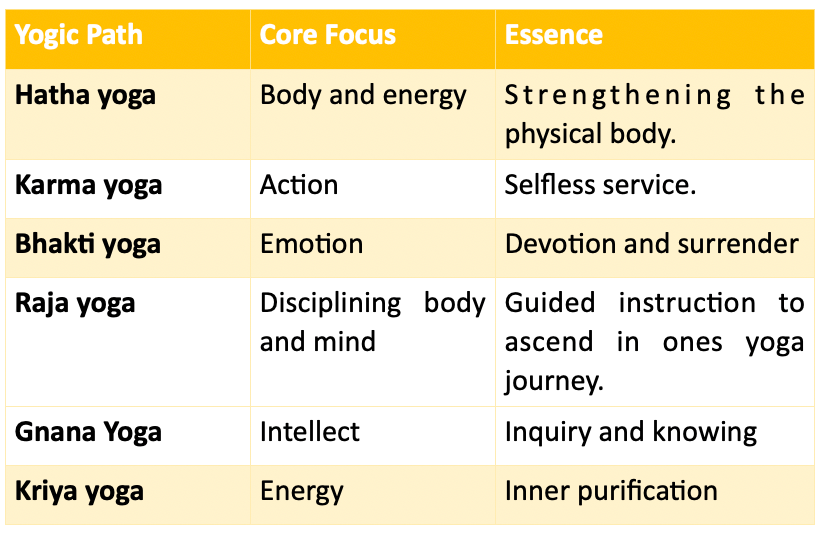
Together, these paths support human evolution, for humans of all personalities and types. This approach to impart yogic knowledge through varied pathways is practical, inclusive, and adaptable. Many paths leading to the same goal.
The Legacy that Never Ended
The story of Adiyogi has survived not because of mythology alone, but because the methods endured. Even today, yoga continues to offer solutions to modern day ailments like stress, fragmentation, and disconnection.
Adiyogi stands as a reminder that human potential is not something to be acquired, but something to be realized. Yoga was never meant to stay frozen in the past. From Adiyogi to the present moment, it has flourished as a living science that’s reshaping lives, cultures, and consciousness itself. The first yogi did not start a movement; he offered a possibility.
‘Ashtanga yoga’ has come to have two meanings - a tough form of strenuous physical yoga practice and the original meaning the 8 steps on one’s yoga journey, learning and ascending the 8 step ladder, (Yama, Niyama, Asana, Pranayama, Pratyahara, Dharana, Dhyana , Samadhi.) systematically, one rung at a time.
If you are looking for a yoga studio to practice Ashtanga yoga in Sushant Lok Phase 1 then visit our website or schedule a session at Yoga with Sapna today!